

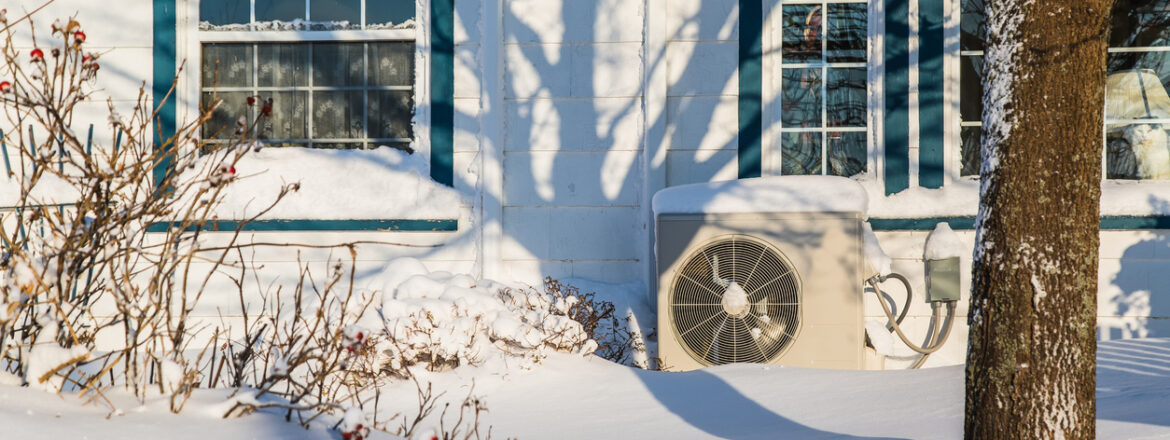
Heat pumps 101: What homeowners should know
You may be hearing more about heat pumps as homeowners look for more energy-efficient ways to heat and cool their homes. But what exactly is a heat pump, how does it work and, perhaps most importantly, can it really handle an Ontario winter?
Here are some of the basics to help you decide whether a heat pump might be worth exploring for your home.
First, what is a heat pump?
Despite the name, a heat pump doesn’t just heat your home. It can provide both heating and cooling, making it an alternative to traditional heating and air-conditioning systems.
Rather than generating heat, a heat pump moves heat from one place to another. During the winter, it extracts heat from the outside air and transfers it indoors. In the summer, the process reverses, moving heat from inside your home to the outdoors.
Because heat pumps transfer heat rather than generate it directly, they can provide highly efficient heating and cooling.
But do heat pumps work in a Renfrew winter?
Yes, as long as you choose the right system!
Today’s cold-climate air-source heat pumps are specifically designed to operate efficiently at temperatures well below freezing. Some cold-climate systems are designed to continue operating at temperatures around -30°C.
That makes them much better suited to eastern Ontario winters than many people may realize.
However, every home is different. The size and age of your home, insulation and air sealing, existing heating system and the specific heat pump you choose can all affect both cost and how a system performs.
Does a heat pump replace your furnace?
It can, but it doesn’t necessarily have to.
Depending on your home and the system selected, a heat pump may serve as the primary source of heating and cooling or work alongside another heating system.
That’s one reason it’s important to have your home’s heating needs properly assessed and to work with a qualified contractor when choosing and sizing a system.
If your furnace or air conditioner is approaching the end of its life, that’s also a good time to start researching your options rather than waiting until the equipment fails. Switching to a heat pump can require some planning, depending on your home’s existing ductwork, electrical system and the type of heat pump being installed.
Air-source or ground-source: what’s the difference?
There are two main types homeowners may encounter.
Air-source heat pumps transfer heat between your home and the outdoor air. They’re the more common option and include cold-climate models designed for Canadian winters.
Ground-source heat pumps, sometimes called geothermal systems, exchange heat with the ground instead. They can provide more efficient year-round heating and cooling but require a different type of installation and can carry a higher cost.
For many homeowners considering a heat pump retrofit, an air-source system will be the more familiar option.
Don’t forget about the rest of your home
A new heating system is only part of the energy-efficiency picture.
Before or alongside a major heating upgrade, consider how well your home retains heat. Insulation, air sealing, windows and doors can all affect heating requirements and overall comfort.
A well-insulated, properly sealed home helps keep warm air where you want it in winter and outside during the summer. It can also help your heating and cooling equipment do its job more efficiently.
Thinking about a heat pump? Incentives are available
If a heat pump is on your home-improvement list, you may be eligible for financial support.
The Home Renovation Savings program currently offers rebates of up to $12,000 for eligible heat pumps. The program also offers rebates for other eligible energy-efficiency improvements, including insulation, air sealing, windows and doors, smart thermostats, solar panels and battery storage. Eligibility and requirements vary by upgrade.
Explore heat pump rebates through the Home Renovation Savings program →
Is a heat pump right for your home?
There’s no single heating and cooling solution that’s right for every house.
If you’re considering a heat pump, start by looking at your home’s existing heating and cooling equipment, insulation, electrical capacity and overall energy needs. Then speak with a qualified professional who can help determine the type and size of system appropriate for your home.
A little research now can help you make a more informed decision when it’s eventually time to replace or upgrade your heating and cooling system.

